
Key Takeaways
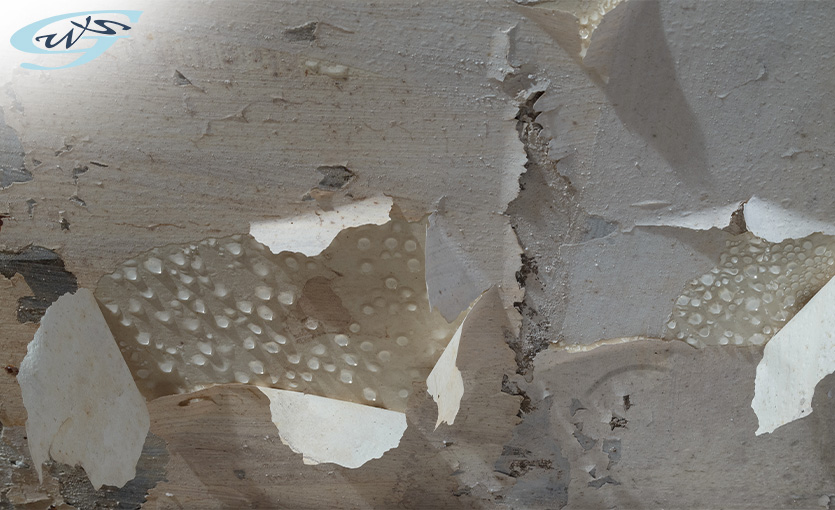
- Paint bubbles can result from moisture, heat, trapped solvents, poor preparation or contaminants beneath the coating.
- The affected layers, location and recurrence pattern can reveal what is causing the failure.
- Repainting will not last if the underlying defect remains active.
- Professional inspection may be needed when bubbling spreads, worsens after rain or appears with other signs of dampness.
Introduction
Paint blistering occurs when a coating loses adhesion and forms bubbles. In Singapore, rain, sunlight and persistent moisture can stress painted surfaces. The cause of paint blistering is not always poor workmanship or unsuitable paint. Moisture, trapped solvents, heat, poor preparation and contaminants can create similar defects, so the underlying condition should be identified before repairs begin.
Why Paint Blistering Should Be Investigated Before Repair
Another coat may conceal the bubbles without correcting what is happening beneath them. The replacement paint may fail once pressure builds again.
Carefully opening a small blister can show whether the failure is limited to the latest coat or extends to the underlying surface. This helps distinguish an application issue from deeper moisture movement and narrow down the cause of paint blistering before repainting.
Common Types of Paint Blistering
Paint blisters form through different processes. Their location and appearance may indicate moisture, trapped solvent, heat, weak adhesion or contamination. These clues help determine the repair approach.
Moisture-Related Blistering
Moisture-related blistering develops when dampness is trapped beneath the paint film. As the wall warms, the moisture turns into vapour, pushing the coating from the substrate. It commonly appears near ceilings, bathrooms, windows and external walls. Brown stains, mould, softened plaster or musty smells may indicate water damage.
Solvent-Related Blistering
Solvent-related blistering occurs when the coating surface dries before solvents below can escape. This may happen when paint is applied too thickly, another coat is added too soon, ventilation is inadequate or high humidity slows drying. The trapped solvent can expand and form bubbles beneath the hardened film.
Heat-Related Blistering
Heat-related blistering is more common on sun-facing façades, rooftop structures and exterior walls exposed to afternoon heat. On a hot substrate, fast-drying paint may form a surface skin before moisture or solvent below has escaped. If only the newest coat is affected, application temperature may be responsible.
Adhesion-Related Blistering
Adhesion-related blistering can occur when paint is applied over dirt, loose material or an incompatible coating. Skipping a suitable primer may also prevent bonding to plaster or concrete.
Osmotic Blistering
Osmotic blistering affects industrial coatings exposed to prolonged moisture. Soluble contaminants beneath the coating attract water through the paint film and create liquid-filled blisters. For residential walls, these causes are less common.
How to Identify the Source of Paint Blistering
A reliable assessment should consider the affected layers, location and whether the problem follows rainfall, plumbing use or sun exposure. One symptom may not confirm the source.
Check Which Paint Layers Are Affected
When the newest coat blisters but older layers remain bonded, the defect is more likely linked to painting conditions. Direct sunlight, a hot wall, thick application or insufficient drying time can prevent even curing. If several layers detach and expose the bare wall, ongoing moisture ingress may be the cause of paint blistering.
Look for Signs of Moisture Beneath the Surface
Paint blistering may result from ongoing moisture ingress when damp patches, stains, mould, or peeling recur. Softened plaster may also suggest that water is entering or trapped within the structure.
Consider Where the Blistering Appears
Bubbles beneath rooftop areas may indicate a defect requiring roof leakage repair in Singapore before repainting. Blistering around windows, façade cracks and external joints may point to wall seepage, while bubbles near bathrooms or kitchens may be linked to plumbing or failed wet-area waterproofing.
Watch Whether the Problem Returns After Repainting
A one-time defect may reflect unsuitable application conditions. Recurrence after proper preparation and repainting suggests an active source. A water leakage specialist in Singapore can assess entry points and distinguish leakage from condensation or coating failure.
How to Fix Different Types of Paint Blistering
Repairs should match the process that caused the coating to lift. Determining the cause of paint blistering separates an application defect from an active moisture problem. Repainting will not last if moisture, poor adhesion, trapped solvent, heat or contamination remains unaddressed.
Fixing Moisture-Related Blistering
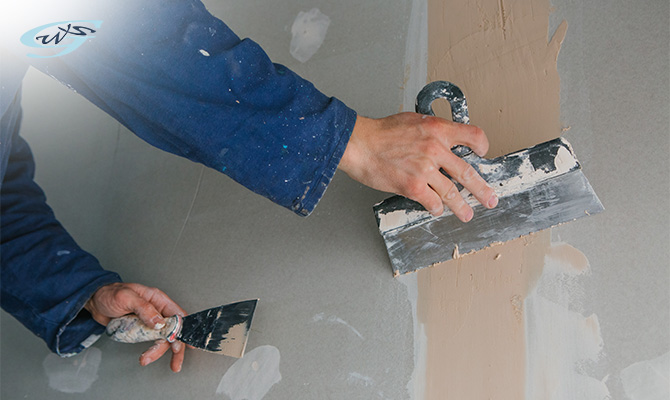
Stop the moisture source before decorative repairs begin. This may involve repairing façade cracks, defective joints, plumbing leaks or failed waterproofing. Allow the wall to dry before removing loose paint and weakened plaster. Where external seepage is involved, complete wall leakage repair before priming and repainting.
Fixing Solvent-Related Blistering
Remove the failed coating and sand the edges until the remaining paint is bonded. Apply thin coats and follow the manufacturer’s drying intervals. Good ventilation helps solvents escape before hardening.
Fixing Heat-Related Blistering
Remove the affected top coat, smooth the surface and repaint when the wall is cooler. Schedule exterior work away from direct sunlight. Even drying reduces the risk of trapped air, moisture or solvent.
Fixing Adhesion-Related Blistering
Remove loose coating and clean the substrate thoroughly. Lightly sand glossy areas where appropriate, then repair cracks or damaged plaster before applying a compatible primer and finish.
Fixing Osmotic Blistering
Industrial osmotic blistering may require coating removal, moisture testing and contaminant assessment. Clean the substrate before applying a suitable coating system.
When Waterproofing Support May Be Needed
Professional support may be needed when blistering spreads, worsens after rain or appears with dampness. Roofs, external walls, window joints, wet areas and concealed pipes may require inspection before repainting.
For homes, commercial premises, factories and MCST-managed properties, the cause of paint blistering should be assessed against the building’s exposure, substrate condition and leakage history. General Waterproofing & Service has served Singapore properties since 2007 as a BCA-registered contractor, using a diagnosis-first approach to moisture intrusion and waterproofing defects.
If paint blistering returns, contact us to arrange an assessment. Our team can inspect the area, trace moisture entry points and recommend an appropriate waterproofing or repair solution.


 General Waterproofing