

Choosing a waterproofing contractor can feel overwhelming, especially when different companies offer similar promises. Whether you are dealing with roof leaks, damp walls, or recurring seepage, it helps to know what to check before requesting a quotation. This guide covers five practical factors to help property owners compare contractors more confidently and avoid costly mistakes.
Learn More: 3 Reasons Why Roof Waterproofing is Important
Why Choosing the Right Waterproofing Contractor Matters in Singapore
Waterproofing issues rarely stay contained. What begins as a small stain or damp patch can quietly develop into structural damage, mould growth, or interior deterioration. In a climate like Singapore’s, the margin for error is slim, which makes the choice of contractor far more consequential than it may first appear.
Singapore’s Heavy Rainfall and Humidity Can Worsen Leakage Issues
Frequent downpours and consistently high humidity create the perfect conditions for water ingress to spread. Moisture does not simply dry out on its own. It seeps deeper into concrete, travels along structural elements, and weakens finishes over time. A solution that might hold up in a drier climate can struggle under these conditions, which is why local experience and material suitability matter.
A Wrong Diagnosis Often Leads to Repeated Repairs
Surface symptoms can be deceptive. A ceiling stain might originate from a roof defect, a failed waterproofing layer, or even plumbing issues from an upper floor. Treating only what is visible often results in temporary fixes, followed by recurring leaks. Over time, this cycle becomes more costly and disruptive than addressing the root cause from the outset.
A Proper Solution Depends on the Leak Source, Not Just Visible Stains
Effective waterproofing begins with understanding where the water is entering and how it travels. Different sources require different treatment methods, whether it involves crack injection, membrane application, or substrate repair. A targeted approach ensures that the solution is not just cosmetic but built to resolve the issue at its origin and prevent future recurrence.
1. Check the Contractor’s Track Record and Relevant Experience

Look beyond marketing claims and review the contractor’s actual project experience. A reliable waterproofing contractor should be able to show completed jobs, explain similar leakage cases they have handled, and provide evidence of consistent workmanship. Reviews and testimonials can be useful, but the most important question is whether the contractor has solved problems similar to yours before.
2. Confirm Licences, Safety Standards, and Industry Credentials
Before appointing any service provider, check whether the company operates with proper licences, trained workers, and relevant safety practices. Accreditation and recognised industry standards can be a positive signal, especially for projects involving external works, height access, or specialised waterproofing systems. This helps reduce the risk of poor workmanship, safety issues, or non-compliant work.
3. Make Sure the Scope Matches Your Leakage Problem
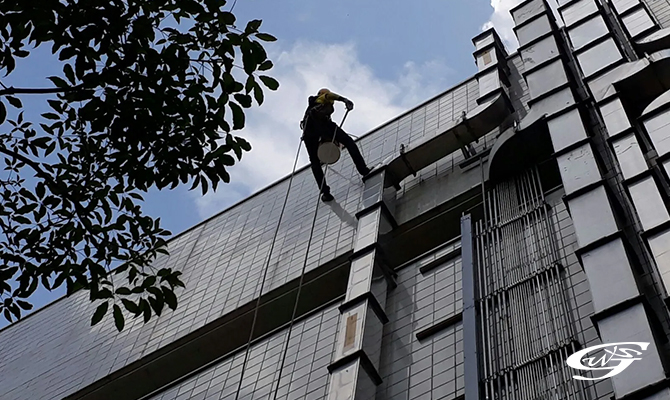
Not every company handles every type of waterproofing issue. Some focus on roof waterproofing, while others are better equipped for wall leakage, balcony leaks, wet areas, or concrete repair. Before comparing quotations, make sure the contractor’s service scope matches the actual source of the problem. A suitable recommendation should address the cause of water ingress, not just the visible damage.
4. Ask What Materials and Methods Will Be Used
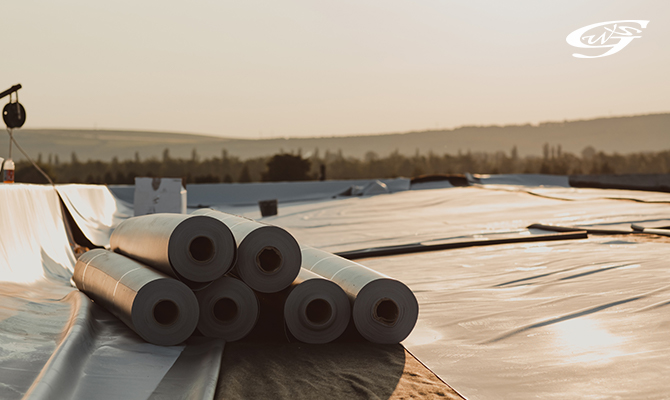
A quotation should not be judged on price alone. Ask what membrane, sealant, injection, or coating system is being proposed and why it is suitable for the affected area. Different surfaces and leakage conditions require different treatment methods. A contractor who can clearly explain the proposed system is usually in a better position to recommend a durable solution. Opting for service providers who prioritise quality materials and methods will help ensure a long-lasting and effective waterproofing solution.
5. Compare Quotations Based on Scope, Warranty, and Long-Term Value

The lowest quotation may not always be the best option. When comparing contractors, look at what is included in the scope of work, the materials specified, any exclusions, site preparation requirements, and the warranty terms. A clear and transparent quotation makes it easier to compare value properly and reduces the risk of unexpected costs later on.
If you are comparing solutions for a leakage issue and need professional advice, you can also explore our waterproofing services in Singapore or contact our team for a site assessment.
Common Mistakes to Avoid When Comparing Waterproofing Quotations
Choosing a waterproofing contractor is not just about reviewing numbers on a page. Small oversights during comparison can lead to costly repairs later. Being aware of common pitfalls helps ensure that what you are paying for truly addresses the problem.
Choosing Based on Lowest Price Only
A lower quotation may seem attractive at first glance, but it often reflects compromises in materials, workmanship, or scope. In waterproofing, cheaper solutions can result in short-term fixes that fail under Singapore’s heavy rain and humidity. A more balanced evaluation should consider durability, method, and long-term value rather than price alone.
Comparing Quotations Without Matching Scope
Not all quotations cover the same work, even if they appear similar. One contractor may include hacking, surface preparation, and reinstatement, while another may only apply a coating. Without aligning the scope line by line, comparisons become misleading. Always ensure that you are assessing equivalent works before making a decision.
Not Checking Warranty Terms
Warranty coverage can vary significantly between contractors. Some warranties are limited to material defects, while others include workmanship and application. The duration and conditions also matter. A longer warranty with clear terms often reflects greater confidence in the system being used.
Ignoring Material Specifications
Waterproofing performance depends heavily on the materials used. Generic descriptions such as “waterproof coating” do not provide enough clarity. It is important to check the type of system proposed, such as cementitious, membrane, or polyurethane, along with its suitability for the affected area. Material quality directly impacts lifespan and effectiveness.
Proceeding Without Proper Site Inspection
Quotations prepared without a thorough site inspection are often based on assumptions. This can lead to incomplete solutions that fail to address the root cause of leakage. A proper assessment allows the contractor to identify underlying issues such as cracks, poor drainage, or substrate damage, ensuring that the proposed method is appropriate from the start.
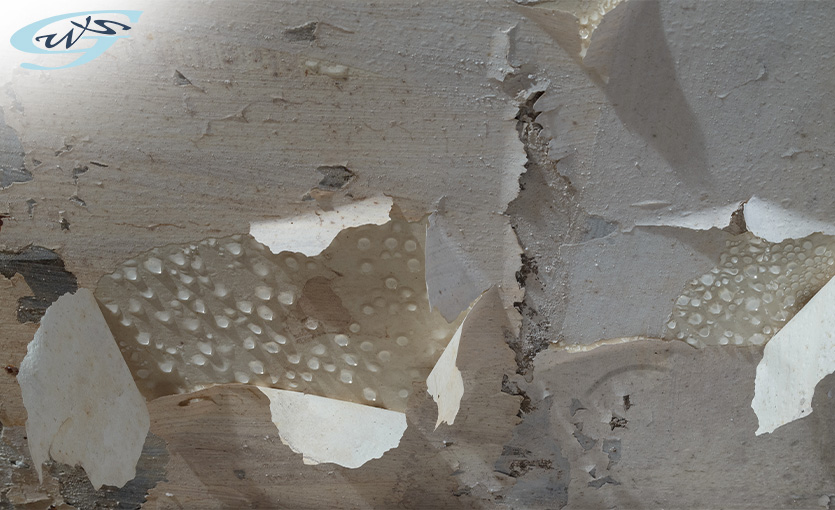

 General Waterproofing